



Consider a woman who is doing everything right. She wakes before dawn, not because she must but because a podcast persuaded her that the first hour of the day belongs to the disciplined. A ring on her finger scores her sleep each night, an app scores her focus each afternoon, and a spreadsheet keeps a running tally of the books she has finished against the target she set in January. Her calendar is tiled so completely that even her rest has been booked in advance and filed under ‘recovery’. She takes the supplements whose names she has learned to pronounce, writes three lines of gratitude before the coffee cools, and by almost any measure you could name, she is winning. Yet if you caught her late at night, when the optimising has stopped, and there is no one left to perform for, she might confess that her life feels oddly thin, as though she were becoming very good at something she had never actually chosen.
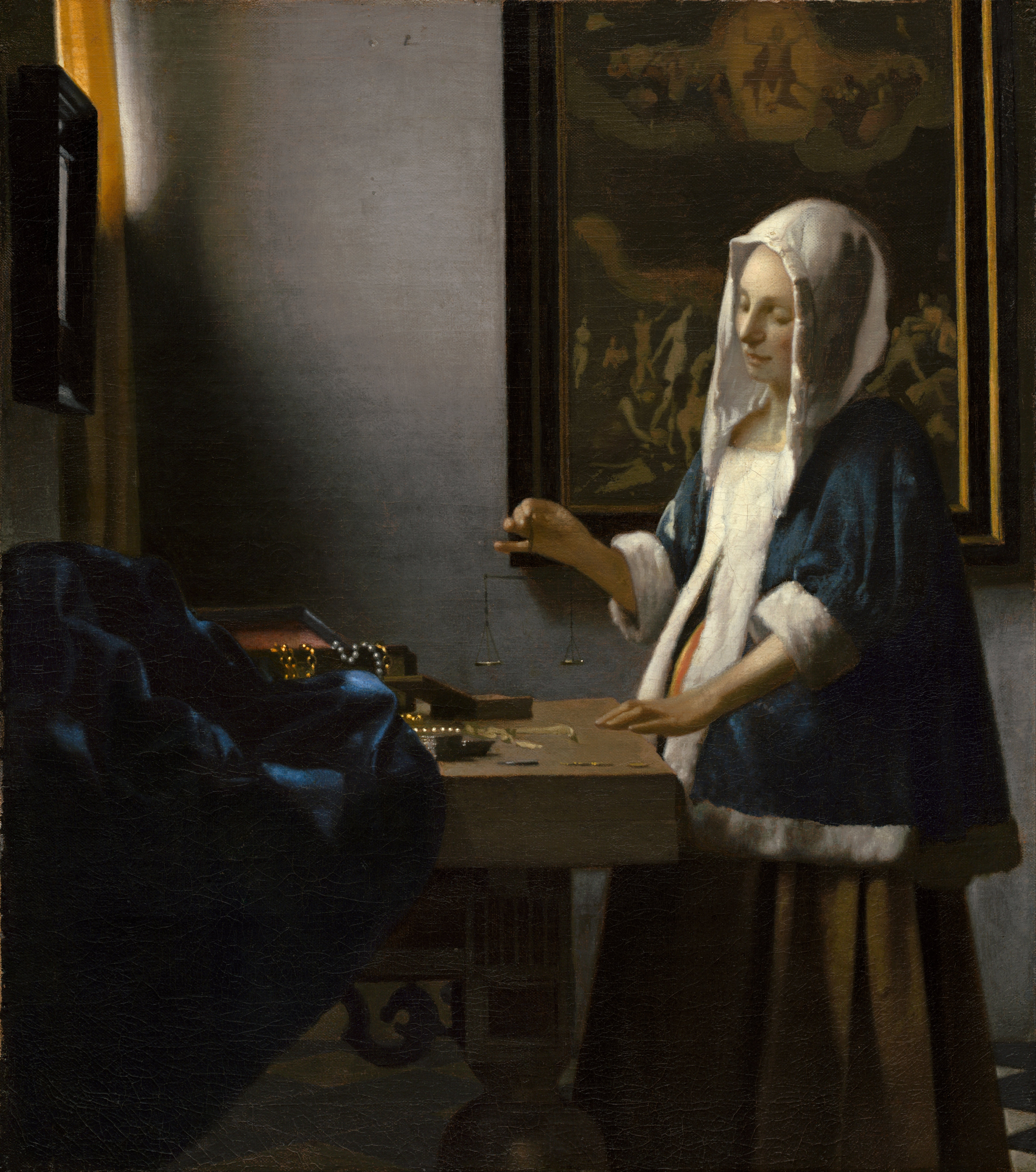
I want to take that thinness seriously, partly because it strikes me as one of the characteristic complaints of our moment, and partly because the help on offer has a way of deepening the condition it is meant to treat. Tell a friend you feel hollow, and you will be handed a protocol. There is a morning routine for it, a breathwork sequence, a cold plunge at dawn, a book with a one-word title in confident capitals. Underneath all this advice sits a single assumption, that your problem is one of management. Your life is a system that has begun to underperform, and what it needs is a better operator at the controls.
That assumption has become so natural that it is easy to forget it was not always available to people. To optimise something is to tune it toward a goal you are already holding fixed, the quickest route between two cities, or the training block that shaves four minutes off a marathon. Optimisation is a genuinely powerful way of thinking, and within its proper territory, I would not dream of talking anyone out of it. The trouble begins when we extend it, quietly and without ever quite deciding to, from the parts of life that have settled goals to the whole of a life, whose goal is exactly the thing in question. You cannot optimise a journey before you have worked out where you are going, and the peculiar ache of the thin life is that it has mistaken motion for direction. The spreadsheet can confirm that she read forty books. It has nothing whatever to say about whether they were worth reading, or about who she became in the reading of them, or about the conversations that never happened because the evenings were spent hitting the number.
The Mystery We Keep Trying to Solve
There is a distinction here that I find useful, drawn by the French philosopher Gabriel Marcel, between a problem and a mystery. A problem is something you stand in front of and solve, a puzzle outside you, like a seized engine or a route across a strange city, and once it is solved, it stays solved, and you can walk away from it. A mystery, in Marcel’s sense, is something you are inside of, something in which you are yourself so caught up that you cannot step back and lay it on the bench as an object. Your own life is a mystery in just this sense, and so is love, and so is the question of what any of it is for. The mistake of our age is not that it solves problems, which is a fine thing to be good at, but that it has started treating mysteries as though they were merely problems no one has yet been clever enough to crack.
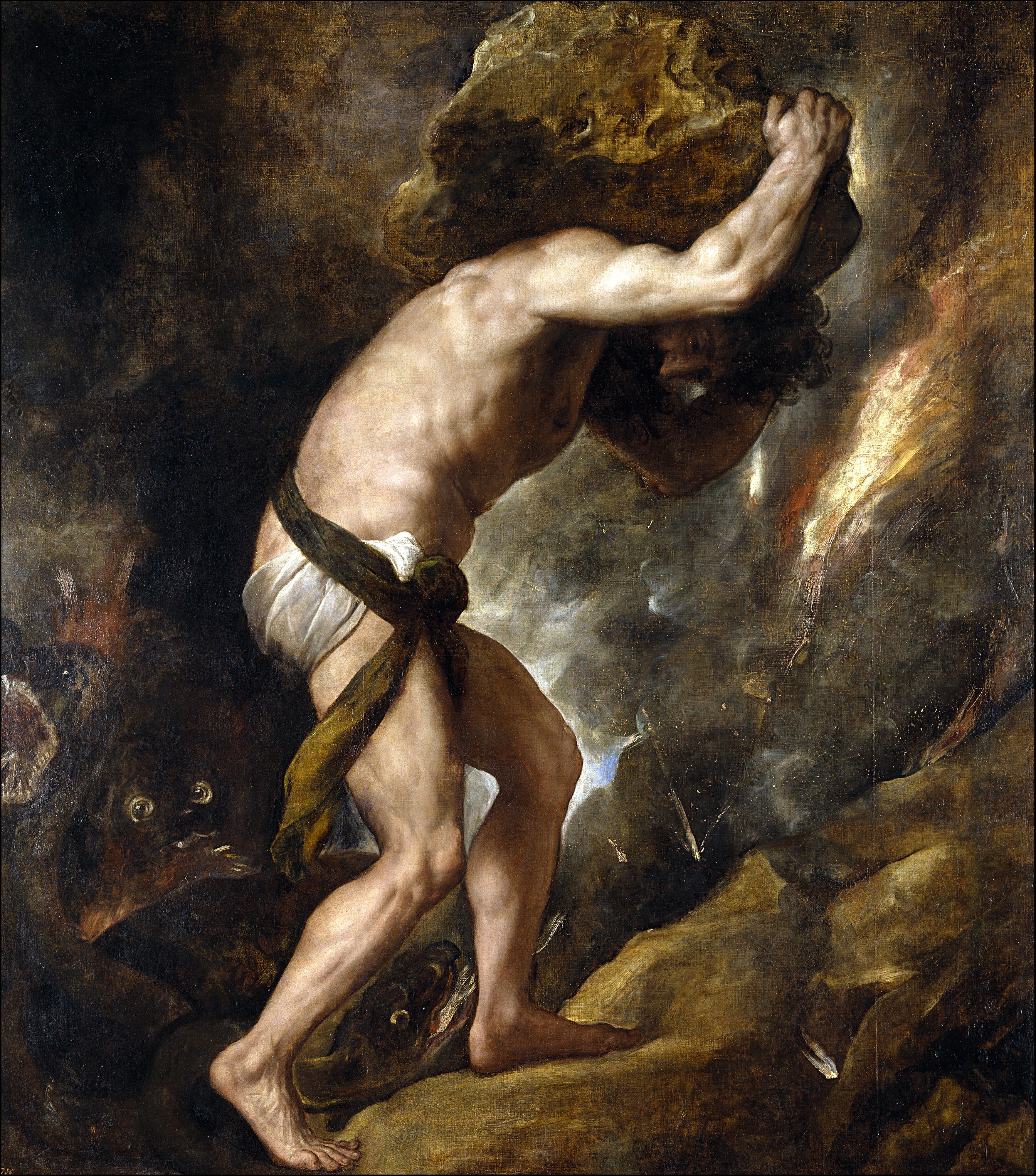
The move beneath all of this, and one we seem to have made almost without noticing, is to regard the self as a project. We talk now about working on ourselves, upgrading our habits, levelling up, building a personal brand, becoming the best version of who we are, as though a person were a small business that might reach profitability if only the founder would stop sleeping. The philosopher Byung-Chul Han, who has written about this more mercilessly than most, describes ours as an ‘achievement society’, and his unsettling observation is that we have become at once the labourer and the boss, driving ourselves with a thoroughness no external master could ever have got away with, and calling the result freedom. The cleverness of the arrangement is that it leaves no one to rebel against. The voice informing you that you are not yet enough is your own, which makes it very hard to walk out on.
What this does, gradually, is bleed the instrumental into everything. Rest stops being rest and turns into the thing you do so that you can work harder afterwards. A walk in the woods, which used to be permitted to be nothing more useful than a walk in the woods, becomes a step count and a measured dose of what the wellness literature calls ‘nature exposure’. I catch myself at this on the coastal paths near where I live, the small reflex to reach for the phone and certify that the walk took place, to convert an hour of wind and waves into evidence that I was looking after myself. Friendship slides toward networking, reading toward self-development, and even boredom and grief get conscripted as raw material for the next phase of growth. No single one of these translations is monstrous. Taken together, they produce a life in which almost nothing is allowed to be simply what it is, because everything has been enrolled in the project of becoming someone better.
I do not want to be unfair to the impulse, because at its best, it is not vanity at all. A great deal of self-improvement is the honest work of people hauling themselves out of chaos, and I have lived through enough disorder of my own to know that a routine can be an act of mercy. The man going under may be genuinely rescued by a structure to his day. The shattered parent may need the early night far more urgently than they need a theory of meaning. If your life is actually coming apart at the seams, the last thing you want from me is a sermon on the poverty of optimisation, and you would be right not to want it. So the case against it is not that discipline is empty or ambition a trap. The case is narrower than that, and harder to slip out of. Optimisation is a tool that has forgotten it is a tool, and has begun offering itself as the answer to a question it is not even equipped to hear.
The Examined Life Is Not the Optimised Life
That question is the old one about what makes a life worth living, and it is here that the optimising frame seizes up. We tend to imagine meaning as a reward stored behind achievement, a prize handed over once we are finally successful enough, secure enough, healed enough, lean enough. Yet almost none of the experiences people actually name as meaningful arrive in that fashion. Sitting up through the night with a dying parent is not pleasant and cannot be hacked, and still the people who have done it will tell you it was among the most meaningful things they ever lived through. Raising a child is the same. So is standing beside someone whose world has fallen in, telling a truth that costs you something, starting again after a loss that levelled you. What all of these share is that they refuse to be controlled in the way optimisation needs its objects to behave. Love shrinks into something lesser the instant you try to engineer it. Grief, rushed, sours into something false. The experiences that give a life its weight tend to be precisely the ones that happen to us, that we undergo rather than arrange, and a frame built entirely around tightening our grip will keep sliding straight off them.
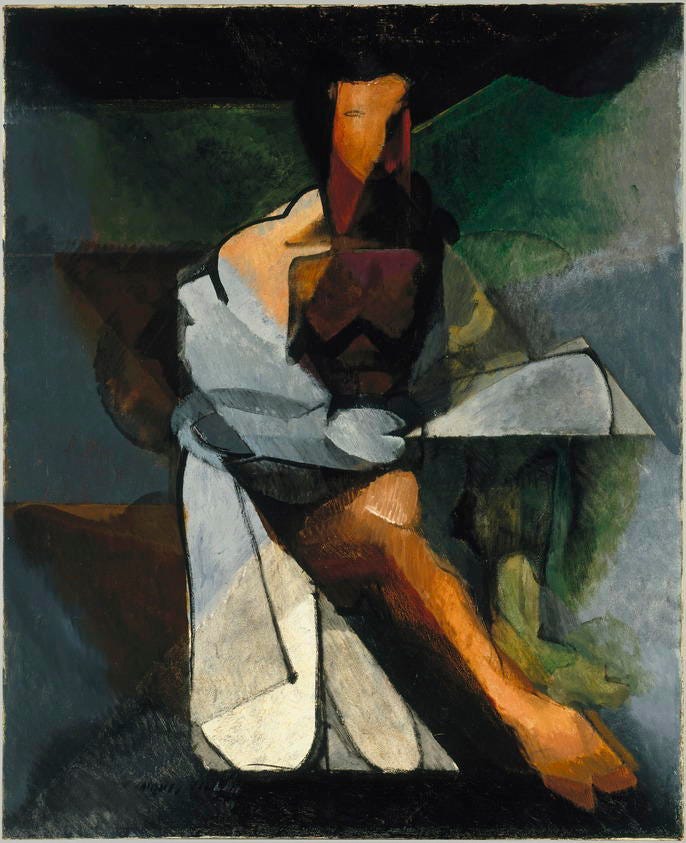
This is usually the point at which an old line gets quoted, and generally a little too comfortably. Socrates, on trial for his life and offered his freedom on condition that he give up philosophising, refused, and told the court that the unexamined life is not worth living for a human being. We have flattened that into a fridge magnet, a mild encouragement toward a bit more reflection. He meant something a great deal less soothing. He was claiming that a life run entirely on borrowed assumptions, never once questioned, never brought up hard against the matter of what is actually good, has forfeited the very thing that would have made it a human life rather than a well-managed animal one. And the examined life he had in view is not the optimised life in a toga. The optimised life asks how to perform better against goals it has swallowed whole and never inspected. The examined life turns round and inspects the goals, which is a far riskier undertaking, since the inspection may well cost you the goals you have built everything on.
Philosophy as a Way of Life
Here it helps to remember something we have half forgotten about what philosophy used to be. Pierre Hadot, who spent a lifetime reading the ancient schools at close range, argued that for the Greeks and Romans philosophy was not in the first place a body of doctrine to be mastered but a way of life to be practised, a set of exercises designed to work a change in the person performing them. The Stoic rehearsed misfortune before it came and trained himself to separate what lay in his power from what did not. The Epicurean cultivated friendship and gratitude and a sober delight in small and ordinary things. Socrates turned conversation itself into an instrument for dismantling false certainty and walking people back to the question they had been busily avoiding. None of this was self-improvement as we mean it. The old exercises were not breeding a more impressive specimen; they were forming a person who saw the world truly and moved through it freely, a wholly different target, and not one any metric has ever managed to register.
At the centre of nearly all these old exercises sat one discipline, the training of attention, and it is attention above all that the optimised life ruins. The Stoics had a word, prosochē, for a continuous mindfulness of what one was doing and becoming, a steady presence to the moment one was actually in. It is the opposite of the divided, metricised, faintly anxious attention most of us now carry through our days, one eye forever on the screen that will tell us how we are performing. You cannot examine a life you are not present to, and you cannot be present to a life you are perpetually trying to improve, because the improving self is always half-turned toward a future in which things will be better arranged. The harder we work at optimising our experience, the less of it we are ever actually here for.
The Life We Are Not Present For
I suspect this is why so much striving leaves people feeling thinned out rather than filled. The logic of becoming has no finishing line written into it. Whatever you reach, the horizon obligingly steps back, and there is always a further level to reach or a fresh defect to address, so that the self becomes a building site with no completion date anywhere in the contract. You can be enormously capable and still never once be permitted to arrive in your own life, forever living a little ahead of yourself in a future where you will at last be enough. Meaning, on these terms, is permanently deferred. It waits just beyond the next achievement, the next stone of bodyweight, and because there is always a next, it never has to be met today. The examined life interrupts that deferral, and not gently. It insists on the life that is here, in this body, on this unremarkable morning, among these particular and unchosen people, rather than the cleaner and more creditable life that is forever about to begin once the present one has been fixed.
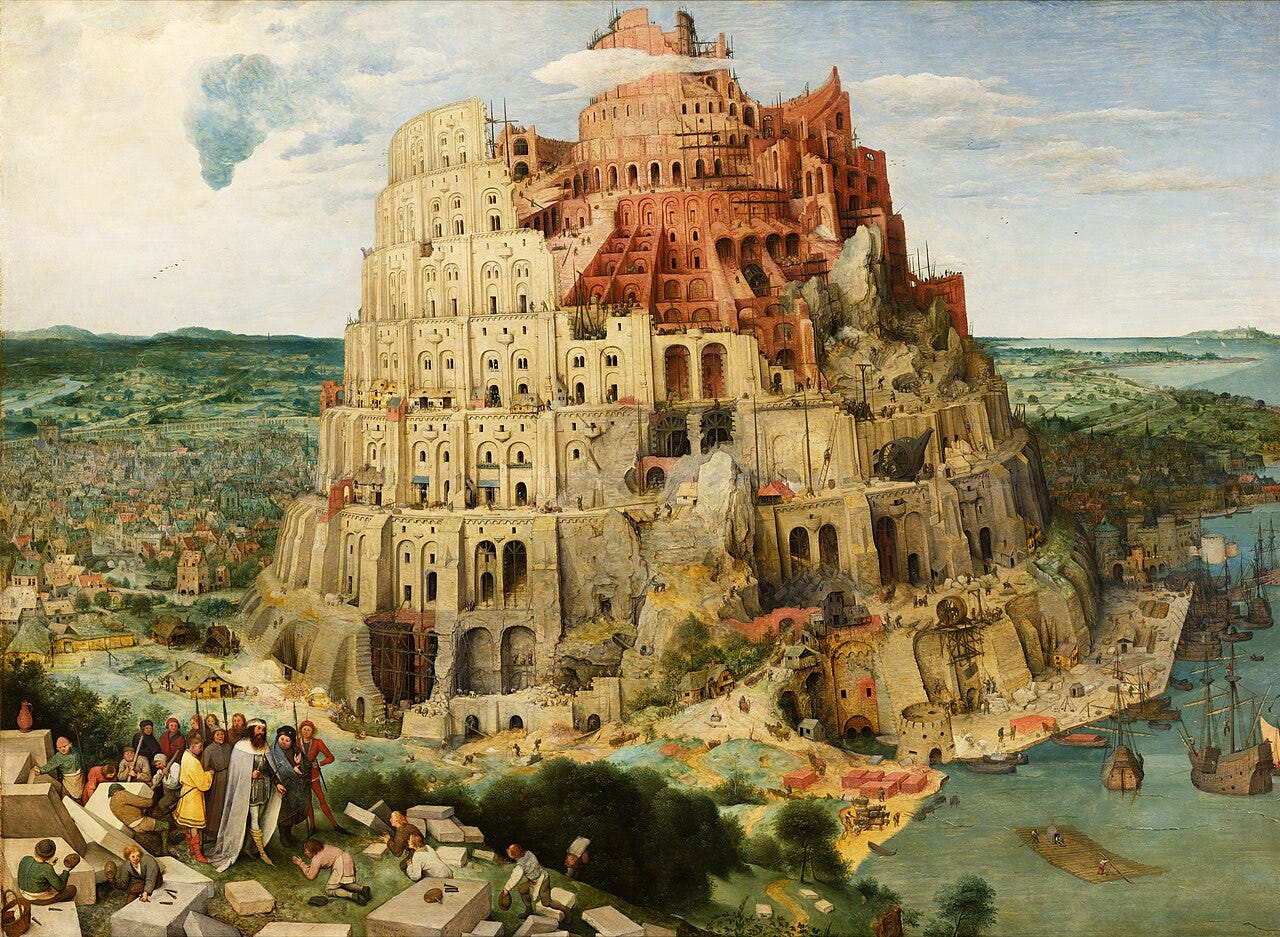
What gives the interruption its bite is the plain fact that we are going to die, which optimisation labours to keep us too occupied to remember. We are not issued an unlimited supply of mornings in which to get round to living. I do not say this morbidly, and I say it as someone who left a martial arts career behind in part because the body that had carried me through it finally forced the matter and would not let me go on pretending. Holding your own mortality steadily in front of you does not make you gloomy so much as honest, and honesty about how little time there really is tends to rearrange what you do with it more quickly than any productivity system ever has.
Growth That Serves a Life
So I find I want to say something to the woman lying awake at three in the morning with her disappointing sleep score, though she has not asked me and would very likely file whatever I said under further self-improvement, which is the trap closing over again. It would not be to throw away discipline, because the alternative to optimisation is not idleness, and it is certainly not a cabin in the woods with the responsibilities left behind. It would be something smaller and a good deal harder: learning the difference between growth that serves a life and growth that has taken the place of one, between a discipline that grows out of caring for yourself and one that grows out of not being able to bear yourself as you are. Philosophy will not sell her a protocol for telling those two apart, and anyone who does is selling her the illness wrapped up as the cure. What it offers instead is older and stranger, the practice of stopping for long enough to ask what all the improving is actually in service of, and the nerve to stay with the question on the days when the easy answer fails to come.
The unexamined life, Socrates said, is not worth living. Our own age has produced a remarkable substitute for it, the optimised life, busy and measured and impressive and somehow still thin. Between the warning and the substitute lies that small and unfashionable stretch of ground where philosophy still earns its keep, not as an ornament for people with time to spare, but as the practice of asking, honestly and while it still matters, what a life is for.
Bibliography
“Doing Philosophy as Knowing Ourselves.” New York Journal of Philosophy, June 25, 2025. https://journal.nyphilosophy.org/p/doing-philosophy-as-knowing-ourselves.
Hadot, Pierre. Philosophy as a Way of Life: Spiritual Exercises from Socrates to Foucault. Edited by Arnold I. Davidson. Translated by Michael Chase. Oxford: Blackwell, 1995.
Han, Byung-Chul. The Burnout Society. Translated by Erik Butler. Stanford, CA: Stanford University Press, 2015.
Marcel, Gabriel. Being and Having. Translated by Katharine Farrer. Westminster: Dacre Press, 1949.
Plato. Apology. In Plato: Complete Works, edited by John M. Cooper. Indianapolis: Hackett, 1997.
Dr Rodney King is a philosophical coach and practitioner, currently completing his second doctorate, in Applied Philosophy at Rhodes University, on philosophical counselling and the contemporary meaning crisis. He lives and walks on the Isle of Man.

"To optimise something is to tune it toward a goal you are already holding fixed" - this is a very powerful sentence from this essay. Holding something fixed and having that which is fixed dominate your everyday life takes away something that is an essential part of being human, namely spontaneity. Being human is being present, but more than that, it is being contemporary. Being contemporary means that we are not just present in the present moment, but that we view each present moment as a chance of becoming and acting anew. It is a moment full of possibilities.
This is Hannah Arendt's concept of natality, which I think is an even better fit than Stoic philosophy.
Wow, what a text! Why don't philosophers write like this anymore? I felt like I was living before the era of the internet again.